Pregnancy Accommodations in LA: What Employers Must Provide

Reviewed By Managing Attorney - David Mallen

A pregnant warehouse employee in Los Angeles asks for lighter lifting after her doctor warns about complications. Her employer responds by cutting her hours instead. No discussion. No effort to help. Just pressure to “take leave.”
That situation is more common than people think.
Many workers do not realize that California law gives them strong rights when they need a pregnancy accommodation at work. Employers in Los Angeles may need to provide modified duties, extra breaks, schedule changes, temporary transfers, or leave protections. They also cannot punish you for asking.
The problem is that many companies either misunderstand the law or ignore it completely. Some employers assume pregnancy automatically means an employee cannot work. Others delay responses, refuse accommodations, or create hostile working conditions after someone announces a pregnancy.
Knowing your rights early can help you protect your health, your paycheck, and your job.
What You’ll Learn From This Article
- What a pregnancy accommodation actually means under California law
- Which Los Angeles employers must provide accommodations
- Common examples of workplace accommodations during pregnancy
- The difference between accommodation and Pregnancy Disability Leave
- What employers can and cannot do after an accommodation request
- Your rights regarding lactation accommodations after childbirth
- Warning signs of pregnancy discrimination or retaliation
- What to do if your employer denies a pregnancy accommodation request
What Is a Pregnancy Accommodation?
Pregnancy can affect employees in very different ways. Some workers need only minor changes at work. Others develop medical complications that require more serious adjustments. California law recognizes that reality.
A pregnancy accommodation is a workplace adjustment that helps an employee continue working safely during pregnancy, childbirth, or recovery afterward. These protections apply to both physical and medical limitations connected to pregnancy.
California law requires employers to work with employees rather than immediately imposing unpaid leave or termination.
Common Examples of Pregnancy Accommodation
Workplace accommodations depend on the employee’s medical needs and job duties. There is no one-size-fits-all answer.
Employers may need to provide:
- Additional restroom breaks
- Water breaks
- Seating accommodations
- Reduced lifting requirements
- Temporary modified duties
- Flexible schedules
- Reduced standing time
- Time off for prenatal appointments
- Work from home arrangements in some positions
A retail worker may need a chair during long shifts. A warehouse employee may need lifting restrictions. A nurse may require reassignment away from hazardous exposure. The law focuses on reasonable solutions.
Pregnancy Accommodation vs Pregnancy Disability Leave
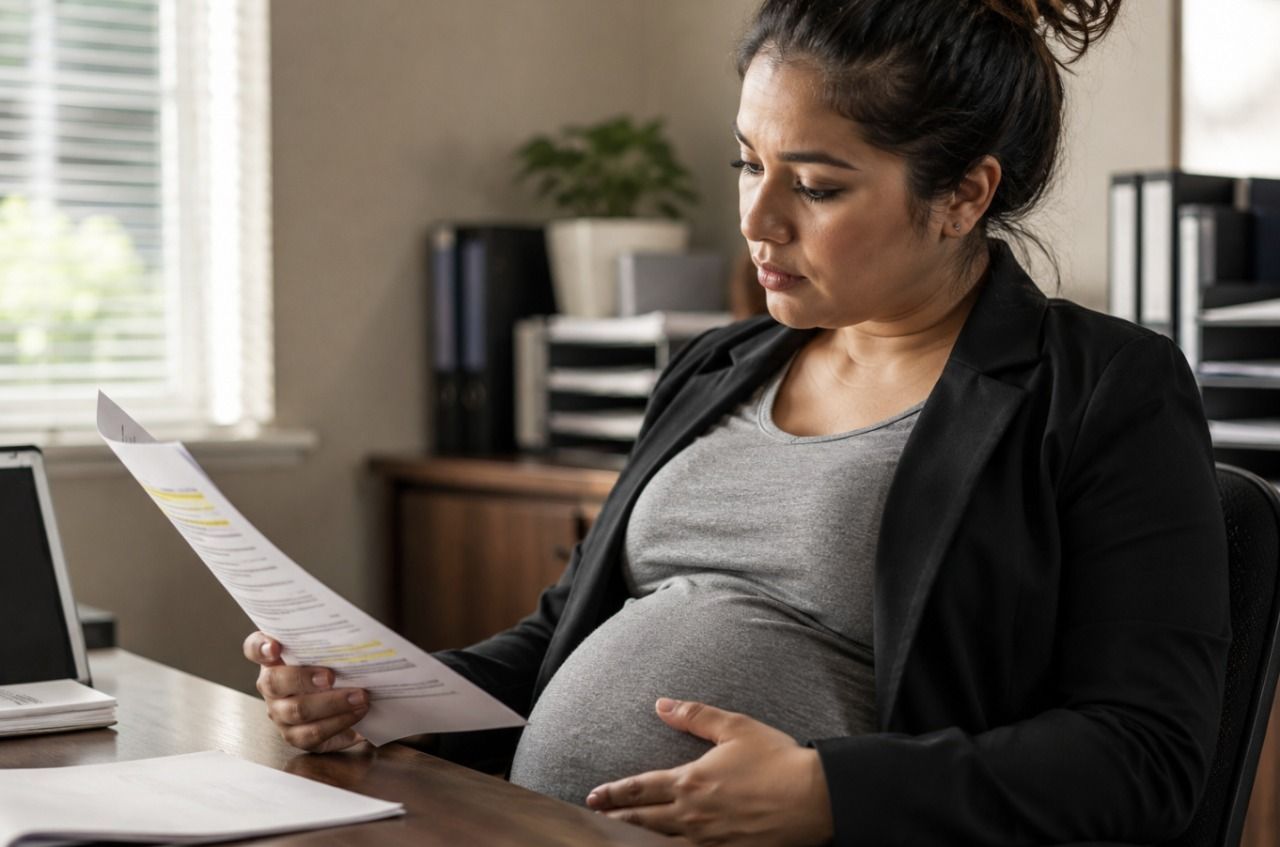
Many employees hear the words “leave” and “accommodation” used together, then assume they mean the same thing. They do not.
A pregnancy accommodation changes your work conditions so you can continue performing your job safely. Pregnancy Disability Leave allows time away from work when pregnancy-related conditions prevent you from safely working.
That distinction matters a lot.
An employer should not automatically push you onto leave if accommodations would allow you to continue working. California employers must first consider reasonable adjustments before removing employees from the workplace.
Which Los Angeles Employers Must Provide Pregnancy Accommodation?
California provides broad protections for pregnant workers. Many employees qualify even if they work part-time or have recently started the job.
State law generally applies to employers with five or more employees. Those protections may cover:
- Full-time employees
- Part-time employees
- Temporary workers
- New hires
- Employees returning after childbirth
Federal law may also apply through the Pregnant Workers Fairness Act, often called the PWFA. That law requires covered employers to provide reasonable accommodations for pregnancy-related limitations unless the employer can prove that the accommodation would create a significant hardship.
California law often provides stronger worker protections than federal law alone. Employees in Los Angeles may have rights under both systems simultaneously.
Types of Pregnancy Accommodation Employers May Be Required to Provide

Pregnancy accommodation requests can involve physical changes, scheduling adjustments, safety concerns, or temporary reassignment. Employers should evaluate requests individually instead of relying on assumptions or stereotypes.
Physical Work Adjustments
Many pregnant employees need changes that reduce physical strain during the workday.
Examples include:
- Reduced lifting
- Additional seating
- Shorter standing periods
- Modified movement requirements
- Ergonomic equipment changes
- Reduced climbing or bending
These changes can significantly reduce medical risks while allowing employees to continue working safely.
Scheduling and Attendance Adjustments
Pregnancy often comes with frequent medical appointments and increased fatigue. Some employees also experience complications that require shorter work periods.
Employers may need to provide:
- Flexible scheduling
- Reduced shifts
- Modified start times
- Additional breaks
- Temporary attendance flexibility
Employers cannot punish workers for pregnancy-related medical needs when accommodations are legally required.
Safety Related Pregnancy Accommodation
Certain workplaces expose employees to conditions that may create risks during pregnancy.
Employees may require:
- Reduced chemical exposure
- Protection from excessive heat
- Reassignment from hazardous duties
- Temporary transfer to safer positions
These issues commonly appear in warehouse, manufacturing, healthcare, construction, and hospitality jobs.
Pregnancy Accommodation Quick Reference Table
| Workplace Issue | Possible Pregnancy Accommodation |
|---|---|
| Heavy lifting duties | Reduced lifting requirements |
| Long-standing shifts | Seating accommodation |
| Frequent prenatal visits | Flexible scheduling |
| Exposure to chemicals | Temporary reassignment |
| Pregnancy fatigue | Additional breaks |
| Physically demanding work | Modified duties |
| Recovery after childbirth | Reduced schedule or leave |
| Lactation needs | Private pumping space and break time |
The Interactive Process Employers Must Follow
California employers cannot simply reject a pregnancy accommodation request without discussion. The law requires an “interactive process.”
That means the employer and employee must communicate in good faith to explore reasonable solutions.
What Employers Can Request
Employers may ask for:
- Medical certification
- Work restrictions from a doctor
- Estimated length of restrictions
The employer should focus on job limitations, not demand unnecessary medical details.
What Employers Cannot Do
Some employers cross the line quickly after learning about a pregnancy.
An employer cannot:
- Ignore accommodation requests
- Delay responses without reason
- Force immediate unpaid leave
- Reduce hours as punishment
- Create hostility after disclosure of pregnancy
- Retaliate against employees for requesting help
The law expects employers to look for solutions, not excuses.
Pregnancy Disability Leave and Pregnancy Accommodation
Pregnancy Disability Leave, often called PDL, gives additional protection when pregnancy-related conditions prevent safe job performance.
Many employees use accommodations first, then transition into leave later if their condition changes.
When Pregnancy Disability Leave Applies
PDL may apply in situations involving:
- Severe morning sickness
- Bed rest
- High-risk pregnancy
- Pregnancy complications
- Recovery after childbirth
- Postpartum medical conditions
Eligible employees may receive up to four months of Pregnancy Disability Leave when medically necessary.
Intermittent Leave and Reduced Schedules
Some employees do not need continuous leave. California law may allow intermittent leave or reduced schedules depending on medical needs.
For example, an employee recovering from complications may temporarily work shorter shifts several days per week.
Using Pregnancy Accommodation Before Leave
Employers should evaluate accommodations before pushing leave.
A modified lifting requirement or adjusted schedule may solve the problem without forcing the employee out of work entirely. Unfortunately, some employers skip that step and pressure workers to stop working altogether.
That can create legal problems for the employer.
Temporary Transfers and Modified Duties During Pregnancy
Certain jobs become difficult or unsafe during pregnancy, especially physically demanding positions.
Temporary transfers may become necessary when:
- Lifting restrictions conflict with job duties
- Standing requirements worsen complications
- Hazard exposure creates risks
- Physical strain becomes medically unsafe
The purpose of reassignment is safety, not punishment.
Jobs Commonly Involved in Pregnancy Accommodation Disputes
Pregnancy accommodation disputes frequently happen in:
- Warehouse jobs
- Retail positions
- Healthcare settings
- Hospitality jobs
- Manufacturing facilities
- Construction work
These jobs often involve repetitive movement, physical labor, or hazardous conditions.
Employer Mistakes During Temporary Reassignment
Some employers handle reassignment poorly. Common mistakes include:
- Cutting pay unfairly
- Demoting employees
- Isolating pregnant workers
- Assigning meaningless duties
- Creating retaliatory schedules
A transfer should not become a disguised form of discrimination.
Lactation Accommodation Rights After Childbirth

California law protects employees after childbirth, too. Employees who need to express breast milk at work have legal rights regarding break time and private space.
Break Time for Pumping Breast Milk
Employers generally must provide reasonable break time for lactation needs. The amount of break time depends on the employee’s individual situation and schedule.
Requirements for Lactation Spaces
California employers must provide a private space that:
- Is not a bathroom
- Is shielded from view
- Is reasonably close to the employee’s work area
- Is clean and safe
A storage closet or restroom usually does not satisfy the law.
Common Lactation Accommodation Violations
Violations often include:
- Denying pumping breaks
- Providing unsafe spaces
- Creating embarrassment around pumping
- Retaliating after requests
Employees should document these issues carefully.
Illegal Conduct Related to Pregnancy Accommodation
Pregnancy discrimination remains a serious issue in California workplaces.
Some employers quietly push pregnant employees out instead of directly firing them. Others suddenly start criticizing performance after accommodation requests.
Pregnancy Discrimination
Illegal pregnancy discrimination may include:
- Refusing to hire pregnant applicants
- Denying promotions
- Cutting opportunities
- Treating pregnant workers as unreliable
- Pressuring employees to resign
Employers cannot base decisions on stereotypes about pregnancy.
Retaliation After Requesting Pregnancy Accommodation
Retaliation can happen fast after someone asks for help.
Warning signs include:
- Sudden write-ups
- Reduced hours
- Demotions
- Negative reviews
- Schedule manipulation
- Termination
Retaliation itself may create a separate legal claim.
Harassment Based on Pregnancy
Pregnancy harassment can involve:
- Offensive comments
- Repeated jokes
- Public criticism
- Hostile treatment after medical restrictions
- Pressure to quit
Employees should keep written records of incidents whenever possible.
What Employees Should Do When Requesting Pregnancy Accommodation

Small mistakes early on can create bigger problems later. Documentation matters more than people realize.
Notify the Employer Early
Tell HR, management, or supervisors as early as reasonably possible. Early notice gives employers more opportunity to adjust schedules or duties.
Keep Written Documentation
Save copies of:
- Medical notes
- Emails
- Text messages
- Schedule changes
- Performance reviews
- HR communications
Those records may become very important later.
Understand Workplace Policies
Review your:
- Employee handbook
- Leave policies
- Attendance rules
- Accommodation procedures
Many employees discover violations only after comparing employer actions against company policies.
What to Do if Your Employer Denies Pregnancy Accommodation in LA

If your employer denies a pregnancy accommodation request or retaliates against you, do not ignore the situation.
Request the Denial in Writing
Written explanations can help preserve evidence and clarify the employer’s reasoning.
File a Complaint With the Appropriate Agency
Employees may file complaints through:
- California Civil Rights Department
- Equal Employment Opportunity Commission
These agencies investigate pregnancy discrimination and retaliation claims.
Speak With a Los Angeles Employment Lawyer
Early legal advice can help protect your rights before the situation gets worse.
At Employee Law Group, employees receive direct access to a lawyer, personalized legal support, and representation focused on California workplace rights.
Frequently Asked Questions About Pregnancy Accommodation
1. What pregnancy accommodation must employers provide in California?
California employers may need to provide accommodations such as lifting restrictions, schedule changes, additional breaks, seating, temporary reassignment, or modified duties depending on the employee’s medical needs.
2. Can a Los Angeles employer deny a pregnancy accommodation request?
An employer may deny a request only in limited situations, such as when the accommodation creates significant hardship. Employers still must engage in a good faith discussion before denying the request.
3. Do I need a doctor’s note for pregnancy accommodation?
Many employers may request medical documentation describing work restrictions and expected duration. The documentation should focus on limitations related to the job.
4. Can I be fired for requesting pregnancy accommodation at work?
California law prohibits retaliation for requesting pregnancy accommodation. Termination, demotion, reduced hours, or punishment after requesting accommodation may violate state or federal law.
5. What should I do if my employer ignores my pregnancy accommodation request?
Document all communication, keep copies of medical records and emails, and consider speaking with an employment lawyer promptly. Delays can make legal claims harder to prove later.
Summary
Pregnancy accommodation laws in Los Angeles give employees important workplace protections before and after childbirth. Employers may need to provide modified schedules, reduced lifting, temporary reassignment, additional breaks, Pregnancy Disability Leave, or lactation accommodations depending on the situation.
Employers also cannot retaliate against workers for requesting accommodations or asserting their legal rights. If your employer suddenly cuts your hours, ignores medical restrictions, pressures you to quit, or treats you differently after announcing your pregnancy, you should take those warning signs seriously.
You should not have to choose between protecting your pregnancy and keeping your job.
At Employee Law Group, our team fights for employees facing pregnancy discrimination, retaliation, wrongful termination, and denied pregnancy accommodation requests throughout Los Angeles and California. We provide direct access to an attorney, personalized legal support, and aggressive representation to protect your rights at every stage of the process.
If your employer violated your workplace rights during pregnancy, contact our team today for a confidential case review.

Managing Attorney - David Mallen
David Mallen is the managing attorney at Employee Law Group in Torrance, California, and a respected labor and employment lawyer who has represented thousands of workers since beginning his practice in 1992. He has been recognized as a Southern California Super Lawyer every year from 2004 to the present.