Wage & Hour Class Action Lawsuits in LA: Do You Have a Case?

Reviewed By Managing Attorney - David Mallen
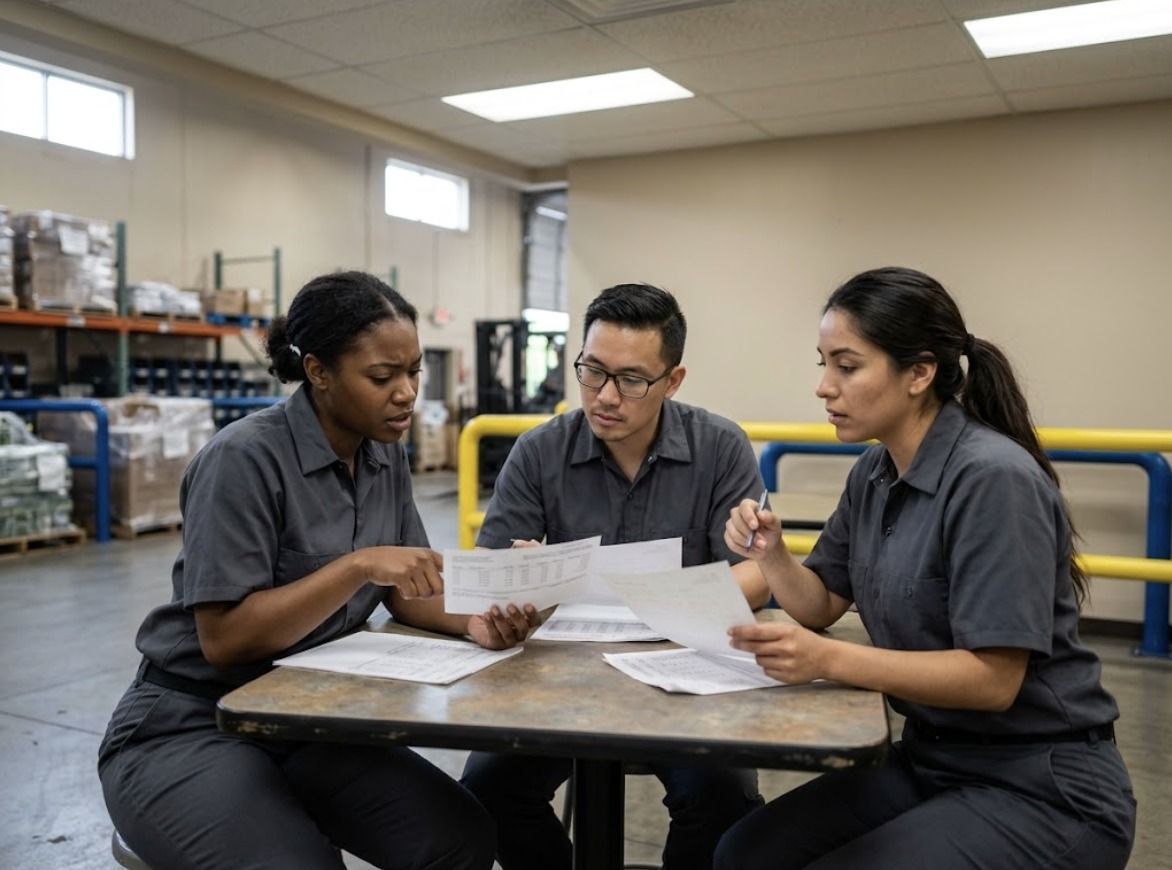
A few missing hours on a paycheck can be easy to dismiss as a payroll mistake. But when overtime disappears week after week, meal periods are deducted even when employees cannot take them, or several coworkers notice the same pay problem, something bigger may be going on.
California wage and hour law protects employees against many forms of underpayment. When the same employer policy or practice affects a group of workers, a class action may be one way to address the problem.
The key question is not simply whether something at work felt unfair. It is whether the employer may have violated applicable labor laws and whether the same practice affected other employees.
For workers in Los Angeles, understanding that distinction can make it easier to decide what to do next.
What You'll Learn From This Article
- Which wage and hour violations commonly affect groups of California employees
- What can make a pay dispute suitable for class action review
- Which records may help support a wage claim
- How an individual wage claim differs from a class action lawsuit
- Why filing deadlines matter
- What to expect when discussing your situation with an employment attorney
What Is a Wage and Hour Class Action Lawsuit?
Wage and hour law covers many of the rules that determine when and how employees must be paid.
That can include minimum wage, overtime, compensable work time, meal and rest periods, wage statements, expense reimbursement, final pay, and employee classification.
UCLA School of Law describes California wage and hour law as drawing from several sources, including federal law, California wage orders, the Labor Code, and agency and court interpretations. Its wage and hour law program also addresses issues such as exempt versus nonexempt status, minimum wage, and frequently litigated wage claims.
A class action goes beyond a single worker's pay dispute. One or more employees seek to represent a larger group whose claims arise from sufficiently similar employer conduct.
For example, imagine that a company automatically deducts 30 minutes for lunch from every hourly employee's timecard. If workers regularly have to work through those meal periods because of staffing requirements, the concern may extend beyond one person's paycheck.
Another example might involve an employer classifying everyone in a particular position as exempt from overtime even though their actual duties may not satisfy the legal requirements for that exemption.
None of these facts automatically creates a class action. Class cases involve specific procedural requirements, and a court generally must decide whether the proposed group can proceed together.
Understanding the underlying wage violations makes it easier to see why some disputes may involve more than one employee.
Common Wage and Hour Violations That Can Affect LA Workers

Pay problems can take many forms. Some involve a single payroll error. Others result from recurring policies that affect an entire shift, department, job category, or workplace.
Los Angeles employees should pay close attention if the same issue keeps happening or coworkers report similar problems.
Unpaid Minimum Wage and Off-the-Clock Work
California employers generally must pay employees for compensable working time and comply with the minimum wage that applies to the employee.
Off-the-clock work can become an issue when an employer expects workers to perform job duties without recording the time.
Examples may include:
- Preparing a workstation before clocking in
- Finishing closing duties after clocking out
- Completing required paperwork after a shift
- Attending mandatory work activities without compensation
- Performing required tasks remotely without recording the time
Local wage requirements can also matter. An employee working within the City of Los Angeles may be covered by local wage rules in addition to California law.
Unpaid Overtime
Overtime disputes are another common source of wage-and-hour claims.
Problems can arise when an employer fails to record all hours worked, changes time entries, calculates overtime incorrectly, or treats a worker as exempt when the legal exemption may not apply.
Being paid a salary does not automatically mean an employee has no right to overtime. California exemption rules can consider both compensation and the work the employee actually performs.
Job titles alone do not settle the question.
Meal and Rest Break Problems
California law also regulates meal and rest periods for many employees.
Potential violations may arise when workers regularly experience:
- Automatic meal deductions despite working through lunch
- Meal periods that are interrupted by work
- Staffing levels that make taking breaks difficult
- Pressure to remain available during a break
- Missing or shortened rest periods
The exact rules depend on factors such as shift length, occupation, applicable wage orders, and other circumstances.
Other Wage Practices That May Affect Groups
Class action disputes can also involve issues beyond basic hourly pay.
Examples may include:
- Incorrect wage statements
- Unreimbursed business expenses
- Improper wage deductions
- Unpaid commissions
- Final paycheck disputes
- Misclassification as an independent contractor
- Timekeeping practices that consistently reduce recorded work time
A single mistake can still matter, but repeated practices affecting several people raise a different legal question. That is where the structure of the employer's policy becomes especially important.
When Can a Wage Violation Become a Class Action?
Several employees having wage complaints does not automatically mean they have a class action case.
The claims generally need enough in common for group treatment to make legal and practical sense. An attorney reviewing a possible class case may look closely at the policy, payroll process, timekeeping system, job classifications, and records involved.
Questions may include:
- Did the employer apply the same policy to many employees?
- Were workers subject to the same timekeeping or payroll practice?
- Did employees in the same position receive the same classification?
- Do pay records or schedules show a recurring pattern?
- Can the affected group be identified?
- Do important factual or legal questions apply across the group?
A written policy can matter, but an unwritten practice can matter too. For example, management may routinely tell employees to clock out before finishing required duties even if the employee handbook says all working time should be recorded.
Class action law is also affected by broader procedural issues, including arbitration. Stanford Law's discussion of Viking River Cruises, Inc. v. Moriana illustrates how arbitration and representative employment claims have generated significant questions about workplace enforcement in California. That 2022 discussion provides historical context rather than a complete statement of current law, so employees should have present-day legal issues reviewed based on the law that applies to their case.
The practical takeaway is simple: patterns matter, but legal analysis goes beyond counting how many coworkers have complained.
That makes the signs employees notice in day-to-day work particularly useful.
Signs Your Workplace Pay Problem May Affect Other Employees

Employees often recognize a pattern before they know which labor law may apply.
Perhaps coworkers regularly compare paychecks because their overtime seems short. Maybe everyone in a department knows that the official meal break is rarely possible. A warehouse crew may be expected to prepare equipment before clocking in, or office employees may regularly finish work after their recorded shift.
Situations worth discussing with an employment attorney can include:
- Multiple workers reporting missing overtime
- Automatic meal deductions regardless of whether breaks occur
- Employees performing work before or after recorded shifts
- An entire position being classified as exempt
- Workers paying job-related expenses themselves
- The same payroll calculation affecting many employees
- Managers discouraging employees from recording certain hours
- Similar wage statement errors appearing across a workforce
These issues can affect restaurant employees, healthcare workers, drivers, warehouse staff, sales employees, technicians, office workers, managers, and other workers throughout LA.
One employee doesn't need to know whether everyone else has the same complaint before seeking help. In some cases, coworkers may never have checked their records closely or may hesitate to speak up.
Once a pattern seems possible, preserving reliable information becomes an important next step.
What Evidence Can Help Support a Wage and Hour Case?
Perfect records are not required before you speak with an attorney. Still, documents you already lawfully possess can make it easier to understand when the problem occurred and how often it happened.
Pay and Time Records
Useful records may include:
- Pay stubs
- Timecards
- Work schedules
- Commission statements
- Bonus records
- Records of hours worked
- Final pay documents
Compare these records carefully. A schedule showing a 10-hour shift means something different if the corresponding time record lists eight hours.
Workplace Policies and Communications
Policies and communications can help show how an employer instructed workers to handle time, breaks, scheduling, and pay.
Relevant materials may include:
- Employee handbooks
- Meal and rest break policies
- Timekeeping instructions
- Scheduling policies
- Emails
- Text messages
- Written instructions from supervisors
The issue is not always an obviously unlawful written policy. Sometimes the written rules appear proper, but what happens in practice tells a different story.
Personal Records
Your own notes can help preserve details while they are fresh.
Consider recording dates, approximate start and end times, missed breaks, work performed outside recorded hours, business expenses, and conversations about compensation.
Keep only records that you are lawfully entitled to possess. Do not access restricted systems, alter documents, or remove confidential company materials that you do not have a right to take.
Those records can also help determine which route may make sense, because a class action is not the only way California employees can pursue unpaid wages.
Class Action vs. Individual Wage Claim
California employees may have different options depending on the type of violation and who was affected.
An individual wage claim generally focuses on compensation allegedly owed to one worker. A class action addresses claims involving a proposed group of workers who share sufficiently similar issues.
| Issue | Individual Wage Claim | Wage and Hour Class Action |
|---|---|---|
| Who brings the claim? | Usually one employee | One or more employees on behalf of a proposed class |
| Main issue | Compensation allegedly owed to that worker | A common employer practice allegedly affecting a group |
| Possible forum | Labor Commissioner's Office or court, depending on the case | Court |
| Evidence | Individual pay, time, and employment records | Individual records plus common policies and employer data |
| Process | Can be more focused | Requires additional class action procedures |
| Legal analysis | Depends on the claim | Often involves complex certification and procedural questions |
California employees can file certain wage claims with the Labor Commissioner's Office, which operates through the Division of Labor Standards Enforcement.
The California Department of Industrial Relations explains that workers may file claims involving unpaid wages and benefits and provides information about filing methods, the investigation process, settlement conferences, hearings, and applicable filing periods.
This is different from filing a class action lawsuit.
An individual claim may make sense when the dispute involves one person's wages. A broader case may require review when a common employer policy appears to have affected many workers.
Knowing which route applies also matters because wage claims do not remain open indefinitely.
How Long Do LA Employees Have to Take Action?

California wage claims can have different deadlines.
No single filing period applies to every wage-and-hour issue. The deadline can depend on the legal claim, the type of compensation involved, whether a contract applies, and the forum where you pursue the claim.
For that reason, employees should avoid assuming that every wage dispute carries the same statute of limitations.
The practical concern is not to panic. It is to avoid unnecessary delay.
If something appears wrong with your pay, start by preserving the records you already have. Keep pay stubs, schedules, time records, relevant messages, and employment documents together.
Recently terminated employees may also want to preserve final paycheck records and any documents connected with the end of employment.
A lawyer can review the dates involved and explain which deadlines may apply.
Once timing is addressed, the next concern for many workers is much simpler: what actually happens when you contact an attorney?
What Happens When You Speak With a Wage and Hour Attorney?
Many employees hesitate to call a lawyer because they think they need proof of every violation or need to know exactly what type of case they have.
That is not the purpose of an initial consultation.
A wage and hour review often starts with a few basic questions about your job, compensation, schedule, employer practices, and the events that raised your concerns.
Discuss What Happened
An attorney may ask about your position, job duties, employer, pay structure, typical schedule, dates of employment, and the specific pay problem you noticed.
Details matter. Saying "my overtime was wrong" is a starting point. Pay records and information about how the employer calculated time may help explain why.
Review Available Records
The attorney may review documents such as pay stubs, schedules, time records, employment agreements, workplace policies, or messages.
Incomplete records do not necessarily end the discussion. Part of the legal assessment involves determining what evidence exists and what information may be available through appropriate legal processes.
Determine Whether Other Workers May Be Affected
If coworkers experienced the same practice, the attorney may investigate whether a common policy or system contributed to the problem.
This can include examining how employees were classified, how time was recorded, how meal periods were handled, or how compensation was calculated.
Discuss the Available Options
The appropriate route could involve an individual wage claim, civil lawsuit, class action, or another employment law process.
Employee Law Group represents California workers in wage violations and other employment disputes. The firm's approach focuses on helping employees understand their rights, communicate directly with legal counsel, and make informed decisions about what to do next.
The goal of the consultation is not to force a case into a particular category. It is to identify what happened and determine which legal options are worth considering.
That brings the discussion back to the question many Los Angeles employees are trying to answer.
Do You Have a Wage and Hour Class Action Case in Los Angeles?
No online checklist can determine with certainty whether a wage dispute qualifies as a class action.
Still, some circumstances can make legal review particularly useful.
Consider speaking with an employment attorney if:
- Your employer repeatedly failed to pay compensation you believe was owed
- Coworkers describe the same issue
- A payroll or timekeeping system appears responsible
- Everyone in your position receives the same questionable classification
- A company policy affects how employees record hours or take breaks
- Wage records show a recurring pattern
- You are unsure whether to file an individual complaint or pursue another option
You do not need to identify the correct statute or decide whether the requirements for class certification have been met before asking for legal assistance.
A simpler place to start: Is the same wage or hour practice happening to other employees?
If the answer may be yes, an attorney can review the facts and determine whether the issue appears individual or part of a broader employment practice.
Common questions often come up before workers feel ready to make that call.
Frequently Asked Questions About Wage and Hour Class Actions
1. How many employees are needed for a wage and hour class action?
No single number automatically creates a class action.
The size of the proposed group is one consideration, but courts also examine other requirements, including whether the workers share important legal or factual questions and whether class treatment is appropriate.
A lawyer can evaluate these issues based on the proposed group and the employer's practices.
2. Can salaried employees have wage and hour claims?
Yes, depending on the circumstances.
Receiving a salary does not automatically make someone exempt from overtime or other wage protections. California exemption rules consider legal criteria, including compensation and actual job duties.
An employer's job title or classification is not necessarily the final answer.
3. What if I am the only employee who has complained about missing wages?
You can still have your situation reviewed.
Other employees may have experienced the same practice without recognizing it or reporting it. A lawyer can look at the employer's policy and your records to determine whether the problem appears isolated or potentially broader.
An individual claim may also exist even when no class action is appropriate.
4. Can my employer retaliate against me for making a wage and hour complaint?
California law protects employees from certain forms of retaliation for exercising protected workplace rights.
That does not mean every disagreement, scheduling change, discipline, or termination after a complaint automatically qualifies as unlawful retaliation. The circumstances and timing matter.
If you believe your employer took action against you because you raised a pay concern or asserted a protected right, preserve relevant information and discuss what happened with an employment attorney.
5. Can I file an unpaid wage complaint without joining a class action?
Yes.
You can pursue certain California wage disputes individually through the Labor Commissioner's Office. Other claims may be filed in court, depending on the circumstances.
You do not have to join or start a class action simply because your employer may owe wages. The right approach depends on what happened, how many people were affected, the evidence available, and the applicable laws.
Knowing those options can make the next decision much clearer.
Get Clear Answers About Your Wage and Hour Rights
A payroll mistake and a companywide wage practice are different.
If unpaid overtime, missed breaks, off-the-clock work, incorrect classifications, or another compensation issue keeps happening, particularly when coworkers report the same problem, it may be worth having the situation reviewed.
Employee Law Group helps California employees understand their legal options in wage violations, class actions, wrongful termination, discrimination, retaliation, harassment, severance, and other workplace disputes.
If you work in Los Angeles or elsewhere in California and have questions about a possible wage and hour claim, contact Employee Law Group for a free consultation. You can discuss what happened, review the information you have, and find out whether an individual claim or broader workplace case may deserve further attention.

Managing Attorney - David Mallen
David Mallen is the managing attorney at Employee Law Group in Torrance, California, and a respected labor and employment lawyer who has represented thousands of workers since beginning his practice in 1992. He has been recognized as a Southern California Super Lawyer every year from 2004 to the present.