Paid Family Leave in Torrance, CA (2026): How You Protect Your Pay and Your Job

Reviewed By Managing Attorney - David Mallen
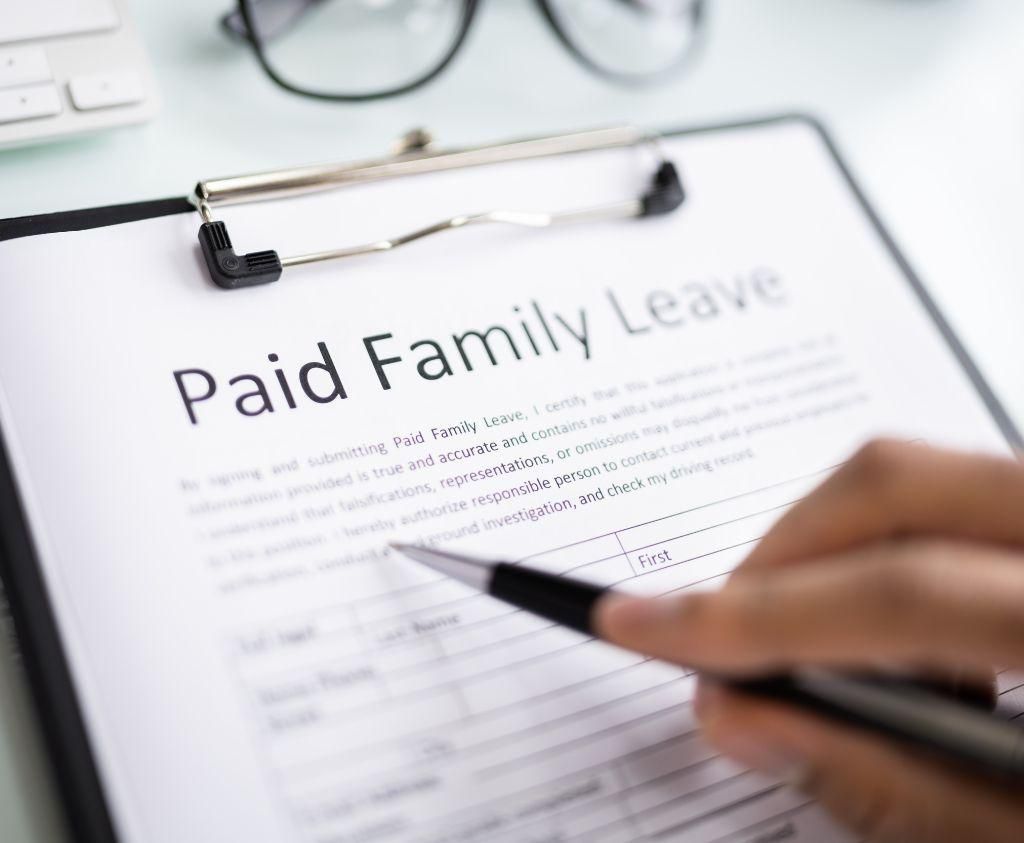
A family emergency hits. A baby arrives earlier than expected. A parent needs care after surgery. Your first thought is not paperwork. Your first thought is simple. How do I step away from work without losing my income or my job?
This is exactly why paid family leave exists in California. Still, many workers in Torrance do not take it. Some never apply. Others get discouraged by an employer. Some believe they do not qualify. Most of the time, that belief is wrong.
This guide breaks down the rules for paid family leave, paid family and medical leave, job protection, and paid time off in 2026. You will learn when you qualify, how much paid leave you can take, and what to do if an employer pushes back.
What Is Paid Family Leave in California?
Paid family leave is a state leave program that replaces part of your wages when you take time off work for family or medical reasons. California runs this program through state disability insurance. You already pay into it through payroll deductions.
Paid family leave does not come from your employer. The state pays you directly. That matters because many employers give incorrect information about who controls approval. Your employer does not decide whether you get paid family leave. The state does.
This leave program covers specific events. It helps when you need to care for a family member with a serious health condition, bond with a new child, or manage a qualifying military-related family event.
Who Is Eligible for Paid Family Leave in Torrance?
Eligibility depends on your work history, not your job title. Many workers qualify and do not realize it.
You may be eligible for paid family leave if:
- You worked in California and paid into state disability insurance
- You earned wages during the base period
- You lost pay because you took leave from work
- You participated in a qualifying event
You do not need to work full-time. If you average 20 hours per week, you may still qualify. You do not need to work for a large company. Coverage applies whether your employer has 25 or fewer employees.
The most common mistake workers make is assuming part-time status disqualifies them. It does not.
Qualifying Reasons to Take Paid Family Leave

California limits paid leave benefits to specific reasons. Each reason stands on its own.
Care for a Family Member With a Serious Health Condition
This is one of the most common reasons people take paid family leave. You may take leave to care for a family member with a serious health condition, including a child, parent, spouse, domestic partner, grandparent, or sibling.
A serious health condition usually requires treatment from a health care provider. It may include surgery, inpatient care, chronic illness, or serious medical treatment.
You must submit medical certification. The state reviews it, not your employer.
Bond With a New Child
Bonding leave allows you to bond with a new child after birth, adoption, or foster placement. You may take this leave within the first 12 months.
Bonding leave does not require a medical diagnosis. The law recognizes that early bonding matters. Paid family leave supports that time.
Military-Related Family Leave
Paid family leave also covers certain events because of a family member’s military deployment. This may include pre-deployment needs or post-deployment care.
How Much Paid Leave Can You Take in 2026?
In 2026, you may take up to 12 weeks of paid family leave per benefit year. You do not need to take all the time at once. You may take consecutive weeks or break the leave into smaller periods.
Wage Replacement Explained
Paid family leave provides partial wage replacement, not full pay. The amount depends on your income. Many workers receive about 60 to 70 percent of their wages, up to a weekly maximum set by the state.
The state offers a calculator to estimate benefits, which helps you plan before leave begins.
Paid Family Leave Compared to Other Leave Laws
Many disputes happen because different leave laws overlap.
Paid Family Leave vs Family and Medical Leave Act
Paid family leave provides pay. The Family and Medical Leave Act provides job protection. They often run at the same time. One does not cancel the other.
Paid Family Leave vs Paid Sick Time
Paid sick time laws cover short-term illness. Paid family leave covers longer events like caregiving or bonding. Employers must provide paid sick leave separately.
Job Protection and Employer Obligations

Paid family leave alone does not guarantee job protection. Job protection usually comes from the Family and Medical Leave Act or state family and medical leave laws.
What employers cannot do is retaliate. Retaliation includes:
- Threats of taking leave
- Reduced hours after leave
- Discipline tied to leave use
- Termination because you applied
Retaliation violates California law even if the employer claims a business need.
How to Apply for Paid Family Leave
You apply through the state. Not your employer.
Steps to Apply for Paid Leave
- Notify your employer that you will take leave
- Apply for paid family leave with the EDD
- Submit medical or bonding documentation
- Track your claim and respond to requests
Delays happen when paperwork is incomplete. Denials happen when employers give wrong guidance. Both can be fixed.
Paid Family Leave at a Glance
This quick overview shows how paid family leave works, what it provides, and what you can expect at a glance.
| Topic | Key Details |
|---|---|
| Maximum leave | 12 weeks of paid leave |
| Pay source | State disability insurance |
| Wage replacement | Partial pay based on earnings |
| Employer approval | Not required |
| Job protection | Provided under FMLA or CFRA |
| Part-time workers | May qualify |
| Application | Through EDD |
Frequently Asked Questions About Paid Family Leave
1. Can I take paid family leave more than once?
Yes. You may take paid family leave more than once as long as you remain eligible within the same benefit year and do not exceed the total weeks allowed.
2. Does paid family leave cover pregnancy complications?
No. Pregnancy or childbirth complications fall under state disability insurance first, with paid family leave used later for bonding.
3. Can my employer deny my paid family leave?
No. The state determines eligibility, not your employer, and employers cannot block your application.
4. What if my employer retaliates?
Retaliation is illegal. California law prohibits employers from punishing workers for taking protected leave.
5. Do paid family leave and unpaid leave run together?
Yes. Paid family leave often runs at the same time as unpaid job-protected leave under state or federal law.
Conclusion: Protect Your Paid Family Leave Rights
Paid family leave helps you step away from work without losing income. It gives you space to care for a family member, bond with a new child, or handle a serious health situation when it matters most. But these rights only work if you use them.
If an employer blocks access, gives you false information, or punishes you for taking leave, that crosses a legal line. Waiting too long can cost you pay, job security, and leverage.
If you are unsure whether you qualify, dealing with pushback at work, or worried about retaliation, getting legal guidance early matters.
Schedule a confidential consultation with Employee Law Group today to talk through your situation, understand your options, and protect your rights before problems grow.

Managing Attorney - David Mallen
David Mallen is the managing attorney at Employee Law Group in Torrance, California, and a respected labor and employment lawyer who has represented thousands of workers since beginning his practice in 1992. He has been recognized as a Southern California Super Lawyer every year from 2004 to the present.