Severance Agreement Guide for Torrance Employees: What to Know Before You Sign Anything

Reviewed By Managing Attorney - David Mallen
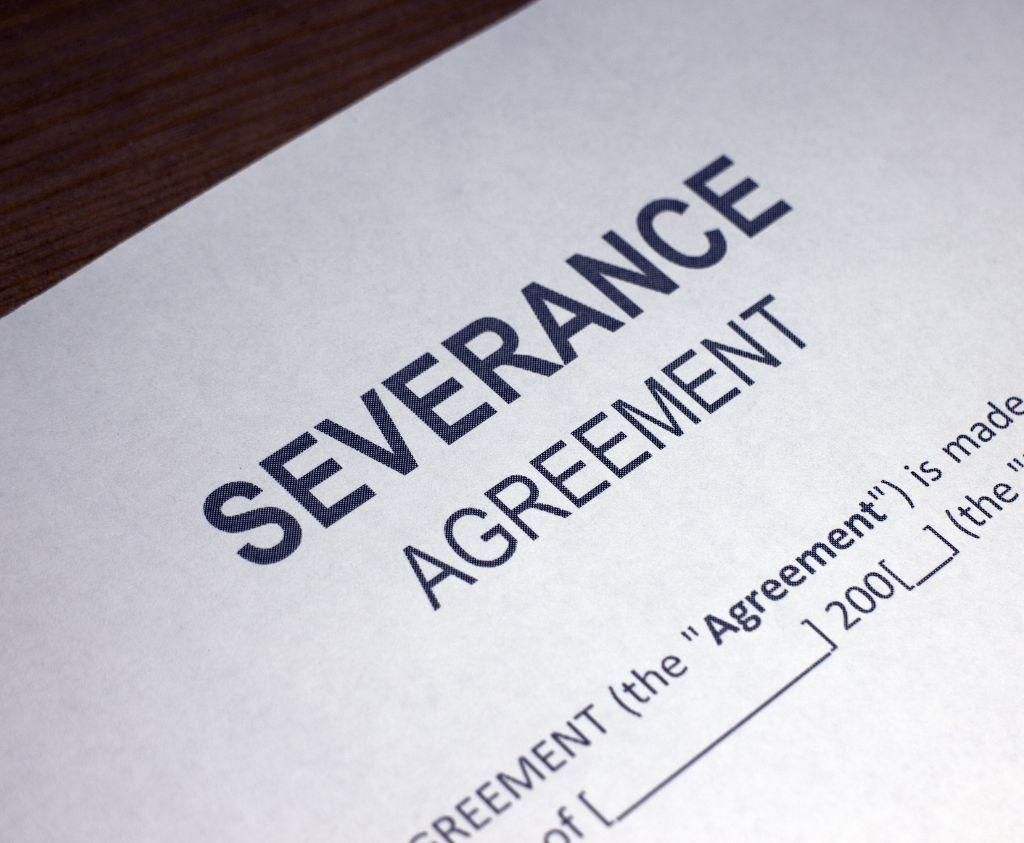
You just lost your job. Now what?
The meeting ends fast. HR slides a document across the table. You are told this is your severance agreement. Sign it, and you get paid. Do not sign it, and the offer may disappear.
That moment matters more than most people realize.
A severance agreement is not just about severance pay. It is a legal contract that can limit your rights, block future claims, and affect your job search. Many terminated employees in Torrance sign too quickly because they feel pressure, fear, or confusion. Employers know this. That is why severance agreements are written the way they are.
Here is the truth. Severance is usually negotiable. Employers may provide severance to reduce risk, not out of generosity. If you understand what the agreement includes and what California law requires, you can protect yourself before you waive anything important.
This guide explains how severance agreements work, what employers include, and when you should consult an employment attorney before signing.
What Is a Severance Agreement and What It Is Not
A severance agreement is a legal document between an employer and an employee that sets the terms of separation. It becomes binding once both parties have signed.
Before looking at the fine print, it helps to understand what severance agreements usually cover and what they do not.
What a Severance Agreement Typically Includes
Most severance agreements often include a payment and a release of claims. The severance payment may be a lump sum or a continuation of payroll for a certain period. The amount of severance pay often depends on job title, length of service, or company policy.
Agreements often include confidentiality clauses, non-disclosure agreements, and language about proprietary information. Employers want to protect confidential or proprietary information after termination. You may also see terms requiring the return of company property.
Another key section is the release of claims. This is where the employee agrees to waive legal claims against the employer. Once signed, lawsuits for wrongful termination, discrimination, or wage issues may no longer be possible.
What Severance Is Not Required to Cover
Severance pay is not required under federal or state law. Pay is a matter of agreement, not entitlement. That matters.
Unpaid wages are different. California law requires employers to pay earned wages, unused vacation days, and final payroll upon termination. An employer cannot withhold those wages to force a severance agreement.
Unemployment benefits also work separately. Severance payments may affect timing, but employees may still qualify for unemployment benefits through the California Employment Development Department.
At-Will Employment and Severance in California
California is an at-will state. Employers can terminate employees for almost any reason that is not illegal. That does not mean employers are safe from lawsuits.
Employers need to reduce risk. Severance agreements help them do that. That is why severance is offered even when employers do not have to provide severance.
Common Situations That Trigger Severance Offers

Severance agreements show up in specific situations. Each creates different leverage for the departing employee.
Layoffs and Reductions in Force
Layoffs are one of the most common reasons employers provide severance. In a mass layoff, federal law and state law may apply. The Worker Adjustment and Retraining Notification Act requires advance notice in certain cases.
Even when WARN Act requirements do not apply, employers may still provide severance to former employees to limit legal exposure.
Termination Without Cause
Employers often say termination is not performance-related. That wording matters. It may signal concern about legal claims. In these cases, severance terms are often negotiable.
Restructuring, Mergers, and Acquisitions
Business changes lead to role elimination. When duties shift or positions disappear, employers may provide severance to smooth the exit and avoid disputes.
Executive and Long-Tenured Employee Departures
Longer service often means higher severance benefits. Executives and senior employees usually receive customized severance packages and more room to negotiate.
Key Parts of a Severance Agreement You Must Review Carefully

Every severance agreement looks different, but certain sections deserve close attention. Missing one can cost you later.
Severance Pay Structure and Taxes
Severance payment may come as a lump sum or as a continuation of pay over weeks or months. Lump sums offer faster access to money but are taxed immediately.
Severance pay is taxable income under federal law and state law. The IRS treats it as wages.
Release of Legal Claims
This is often the most important section. Agreements may require you to waive claims for discrimination, retaliation, wage violations, or wrongful termination.
Once you sign, claims against your employer are usually gone. Courts enforce these releases if they meet legal requirements.
Confidentiality and Non-Disclosure Obligations
Many agreements include confidentiality clauses covering the agreement itself and company information. Some restrict what you can say online or to future employers.
California law limits overly broad confidentiality provisions, especially when they block truthful statements about unlawful conduct.
Non-Compete and Non-Solicitation Language
California law generally bans noncompete agreements, even after termination. Some agreements include non-solicitation language or indirect restrictions.
Employers may include a noncompete clause anyway. That does not make it valid. It still needs review.
Benefits, COBRA, and Health Coverage
Severance benefits sometimes include continuation of benefits. COBRA coverage allows you to keep health insurance, but you usually pay for it. Some employers agree to cover COBRA premiums for a limited time. This can be negotiated.
Your Legal Rights Before Signing in California
California law gives employees important protections before signing any severance agreement.
Mandatory Review Periods for Employees Over 40
Federal law protects employees over the age of 40 under the Age Discrimination in Employment Act and the Older Workers Benefit Protection Act.
If you are 40 or older, the employer must give you 21 days to review the agreement and 7 days to revoke after signing. Employers must give employees this time.
Your Right to Legal Review and Negotiation
You have the right to consult an attorney. Employers may expect negotiation. Asking questions or requesting changes is not misconduct.
Retaliation for asserting legal rights is illegal under employment law.
Final Paycheck Rules and Penalties
California requires immediate payment of final wages upon termination. Late payment can trigger penalties equal to a day's wages for up to 30 days.
How Severance Negotiations Actually Work
Negotiation happens more often than employers admit. Understanding leverage helps.
Factors That Increase Leverage
Leverage increases with longer employment, higher pay, management roles, and potential legal claims. Age discrimination concerns also increase leverage.
Common Negotiation Points
Employees may negotiate:
- More weeks of pay
- Extended COBRA coverage
- Neutral references
- Removal of non-disclosure or non-solicitation clauses
Mistakes Employees Make
Employees often sign without legal advice. Others underestimate the value of claims or assume the offer is final. Pressure leads to bad decisions.
Red Flags That Mean You Should Talk to an Employment Attorney

Some agreements signal risk right away.
Overly Broad Release Language
Phrases like known and unknown claims or prior agreements deserve scrutiny.
Illegal or Overreaching Clauses
Noncompete agreements and extreme confidentiality rules often violate California law.
Severance After Workplace Conflict
If severance follows harassment, retaliation, wage disputes, or complaints, legal claims may exist even if the employer denies wrongdoing.
How Employee Law Group Helps Torrance Employees
Employee Law Group focuses on labor and employment matters across California. We review severance agreements with your goals in mind.
We assess severance terms, identify leverage, and negotiate directly with employers. We understand how employers draft agreements and where pressure points exist.
Local experience matters. Torrance employers operate under California law, not corporate templates alone.
Severance Agreement Comparison Table
Before you sign, it helps to see how severance agreements protect employers first and where employees often face risk, which is why the breakdown below matters.
| Issue | Employer Goal | Employee Risk | What to Review |
|---|---|---|---|
| Severance Pay | Limit cost | Underpayment | Weeks of pay, lump sum vs continuation |
| Release of Claims | Avoid lawsuit | Loss of rights | Scope of waiver |
| Confidentiality | Control information | Speech limits | Legal carve-outs |
| Non-Compete | Restrict future work | Career impact | Enforceability |
| COBRA | Shift costs | Health gaps | Duration and payment |
FAQs About Severance Agreements in California
1. Is severance pay required by law?
No. Severance pay is a matter of agreement. Federal or state law does not require employers to provide severance.
2. Can I collect unemployment benefits after severance?
Yes, in many cases. Severance may affect timing, but does not always block benefits.
3. Can my employer force me to sign a severance agreement?
No. A severance agreement is voluntary. Employers cannot force you to waive rights.
4. What if I am over 40?
Employees over 40 must receive 21 days to review and 7 days to revoke under federal law.
5. Should I consult an attorney before signing a severance agreement?
Yes. A severance agreement is a legal contract. Consulting an employment attorney helps protect your rights.
Conclusion: Read First, Sign Later
A severance agreement is not paperwork. It is a legal decision with long-term consequences. Once you sign, options disappear.
Taking time to review, ask questions, and get legal advice can protect your income, benefits, and future work. If you received a severance agreement in Torrance, speak with Employee Law Group before you sign.
Schedule a free case consultation today. That single step can change the outcome.

Managing Attorney - David Mallen
David Mallen is the managing attorney at Employee Law Group in Torrance, California, and a respected labor and employment lawyer who has represented thousands of workers since beginning his practice in 1992. He has been recognized as a Southern California Super Lawyer every year from 2004 to the present.